PRISM
BADGES & ANCHORS

Tesseract offers a range of proprietary credentialing and tracking solutions from embedded cards to wireless positioning tags.
Multi-mode identity reading
Two types of tracking badges
Positional anchors with accuracy to 20cm
Asset tracking and monitoring
All data feeds into the MOSAIC dashboard
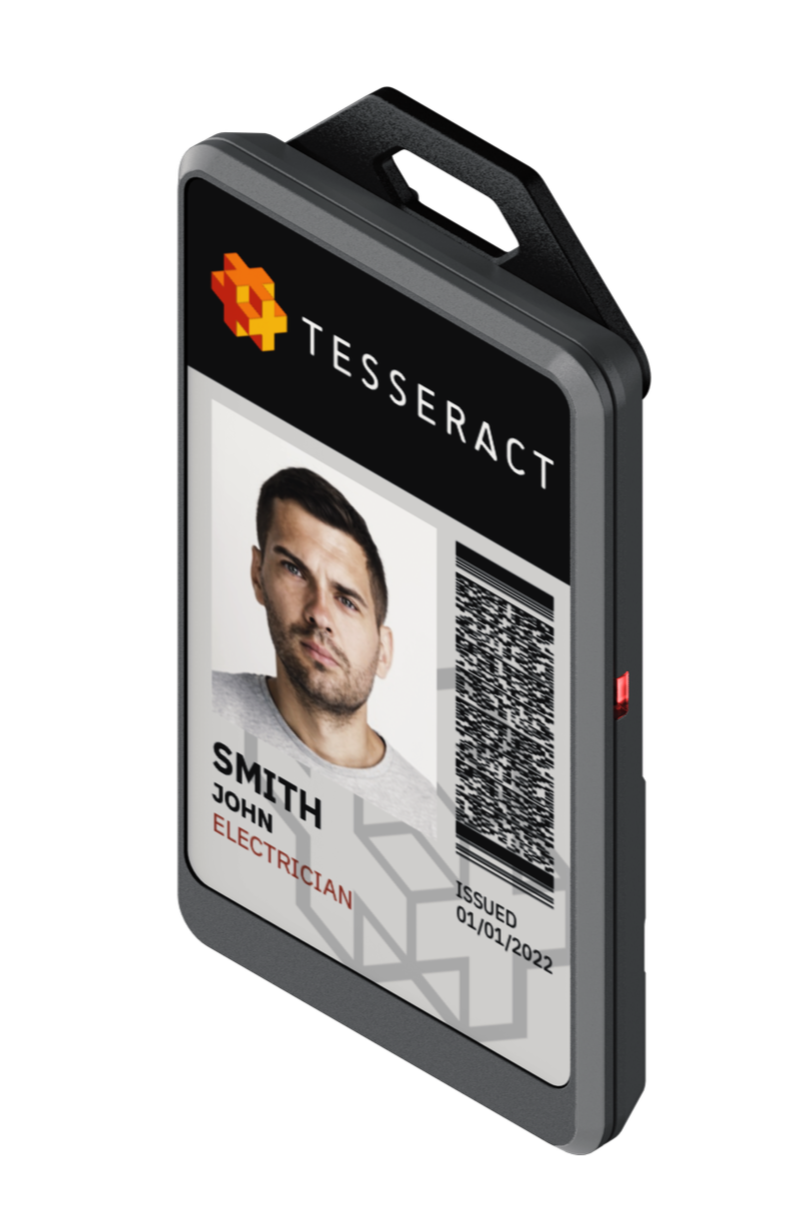
L1 Badge
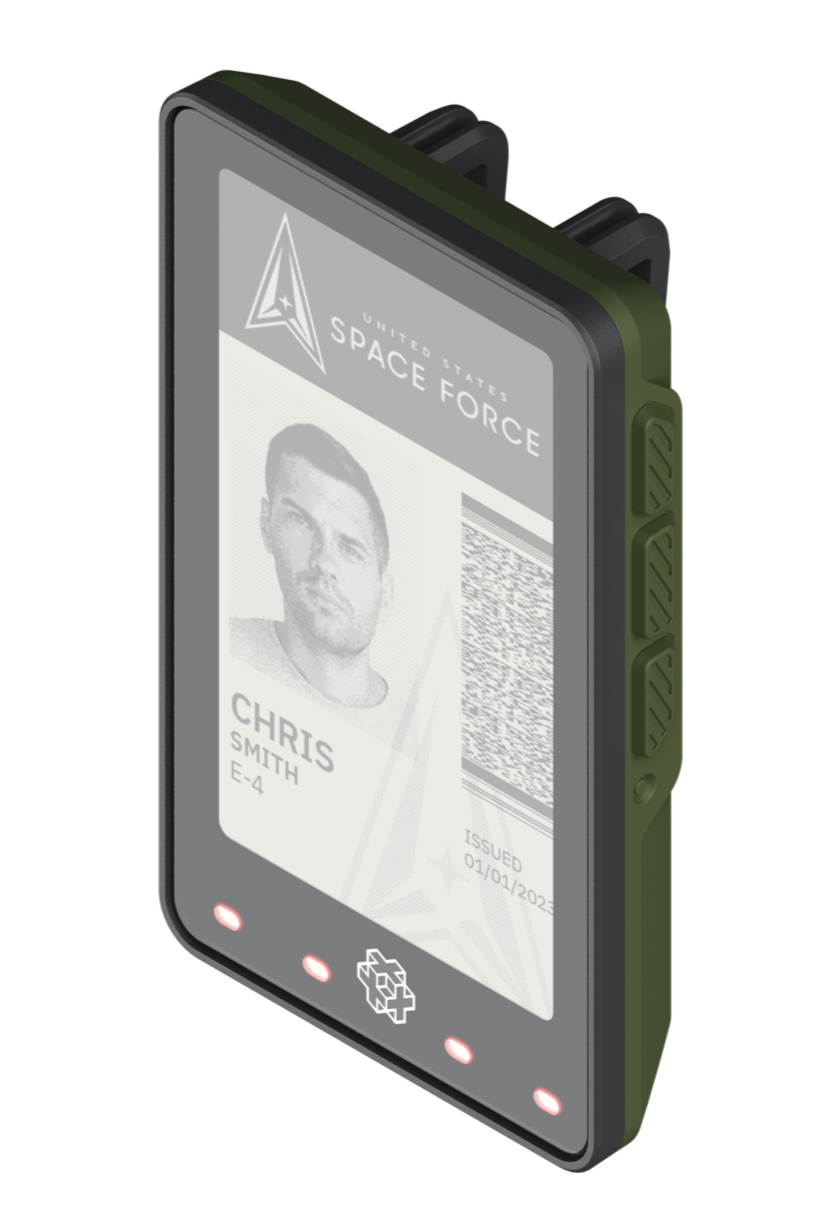
L2 Badge
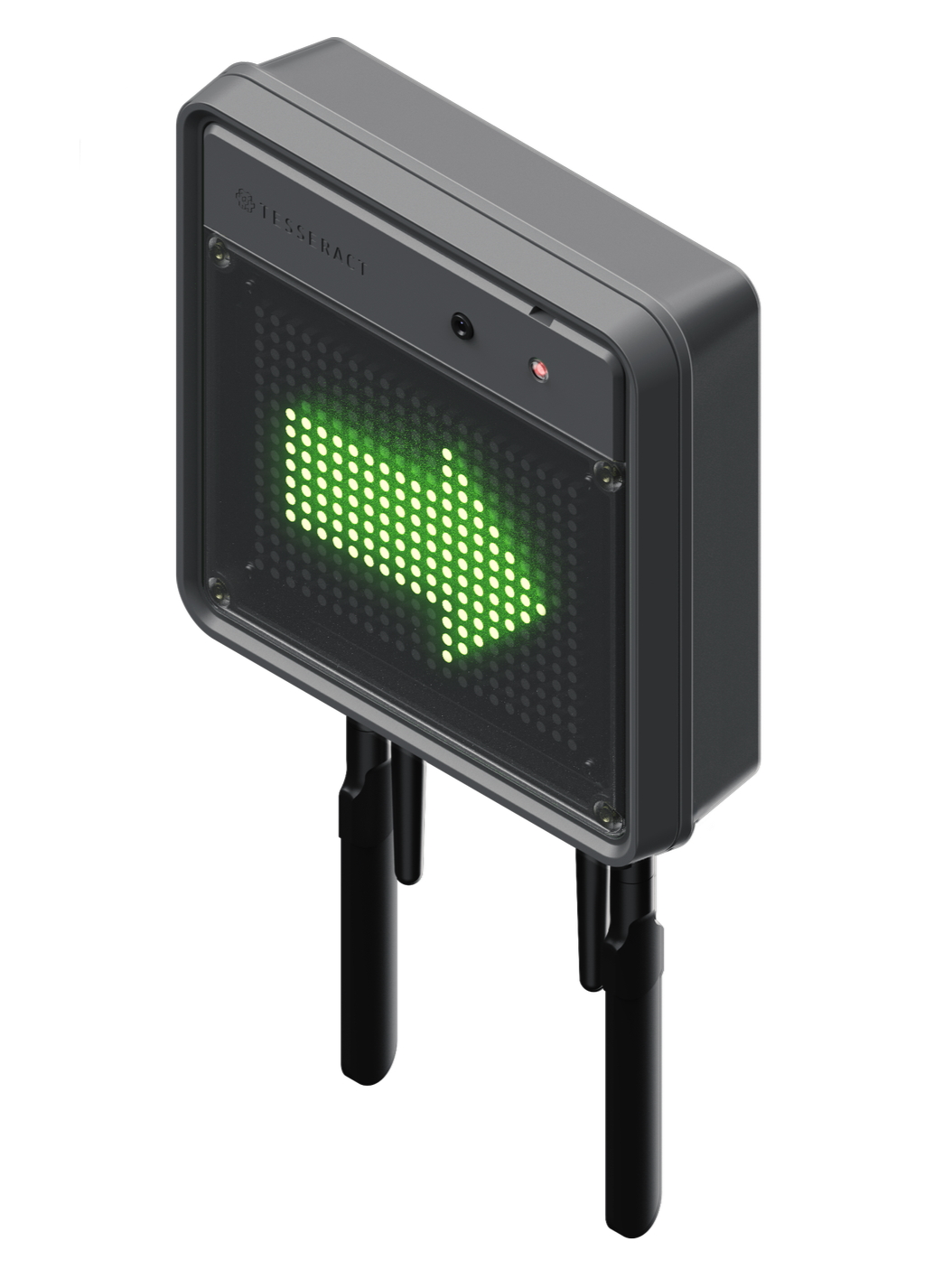
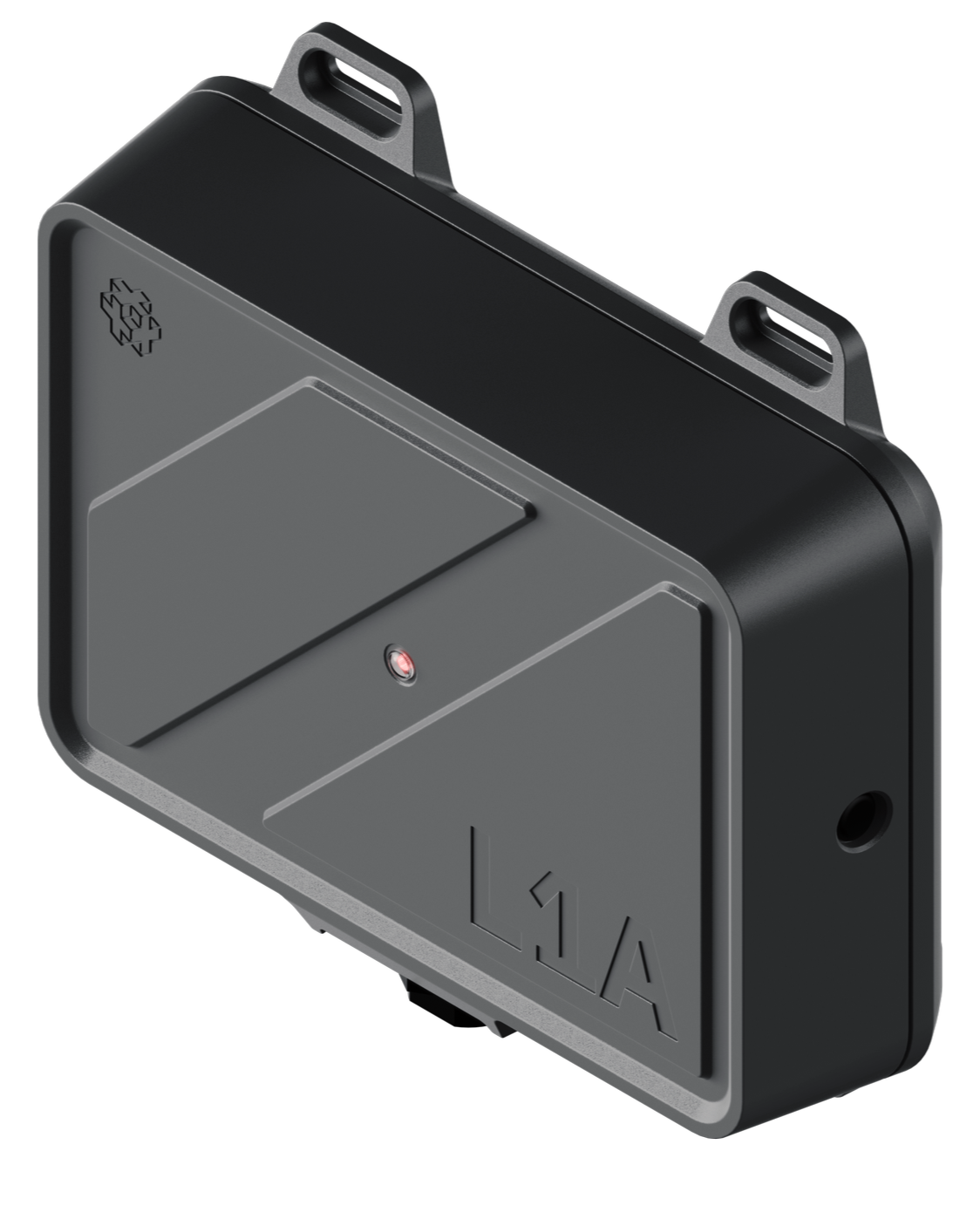
Tesseract anchors allow RTLS tracking indoors with the badges. The L2A has added feautures such as atmospheric sensors and an LED display.
L2 Anchor
L1A Anchor
PRISM
TRACKING SENSORS
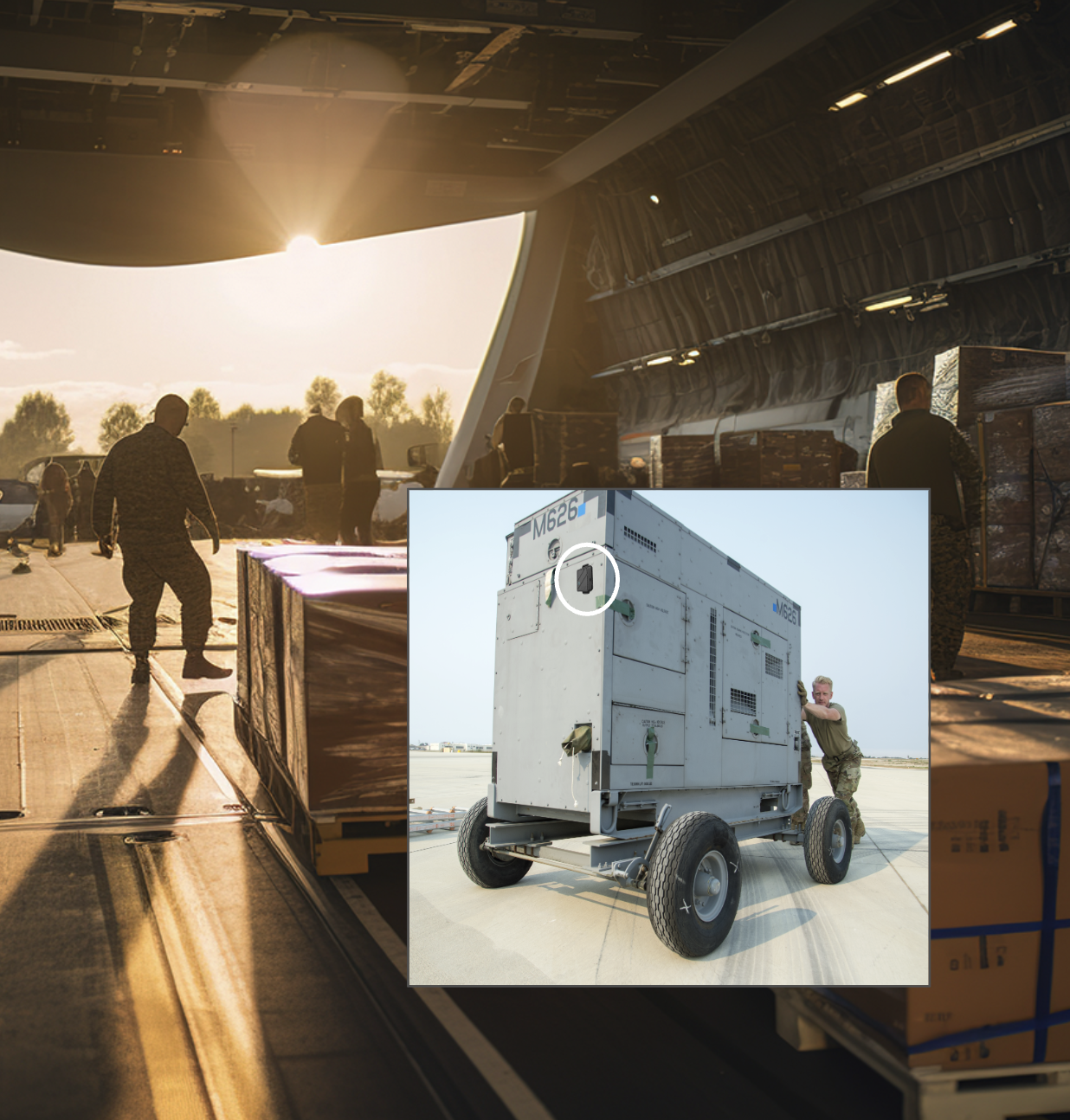
Tesseract’s tracking system revolutionizes equipment management both indoors and outdoors. Utilizing PRISM asset trackers and anchors, our system pinpoints equipment locations with up to 20 cm accuracy indoors and 3 meters outdoors.
Real-time Tracking
Maintenance Monitoring
Personnel Coordination
Direct Communication
Enhanced Situational Awareness
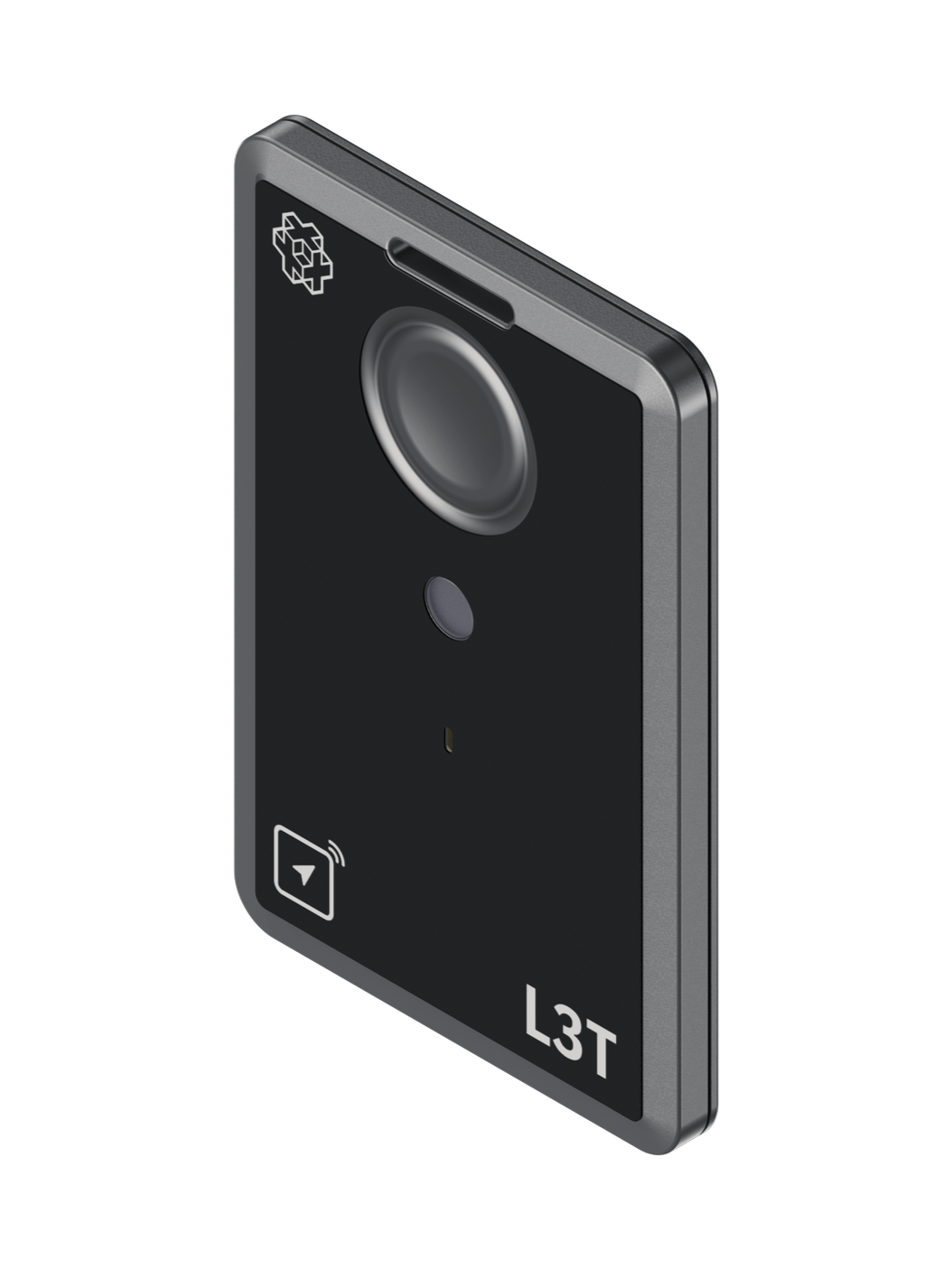
L3T Tracker
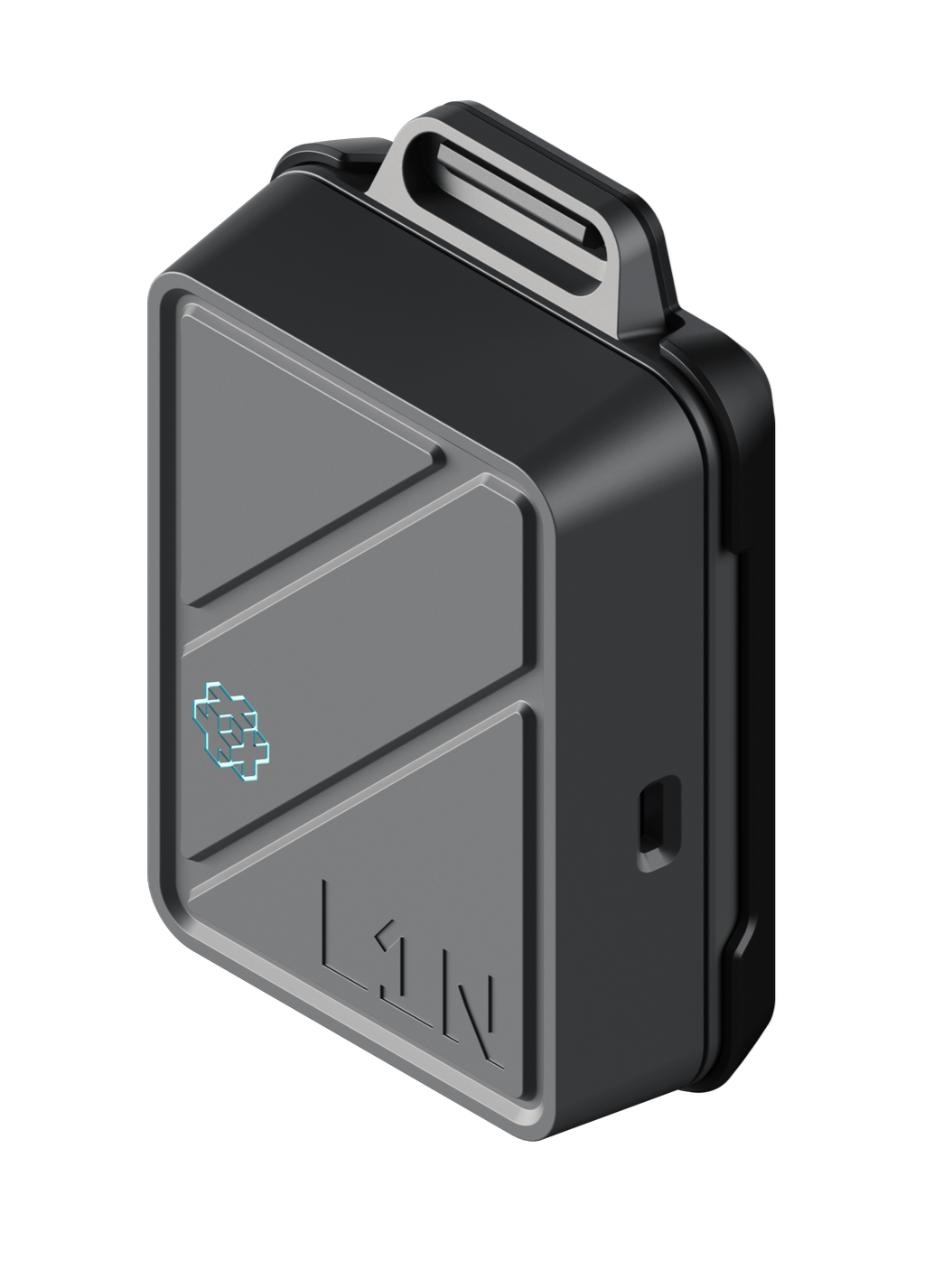
L1N Asset Tracker
PRISM
TNET BASE STATION
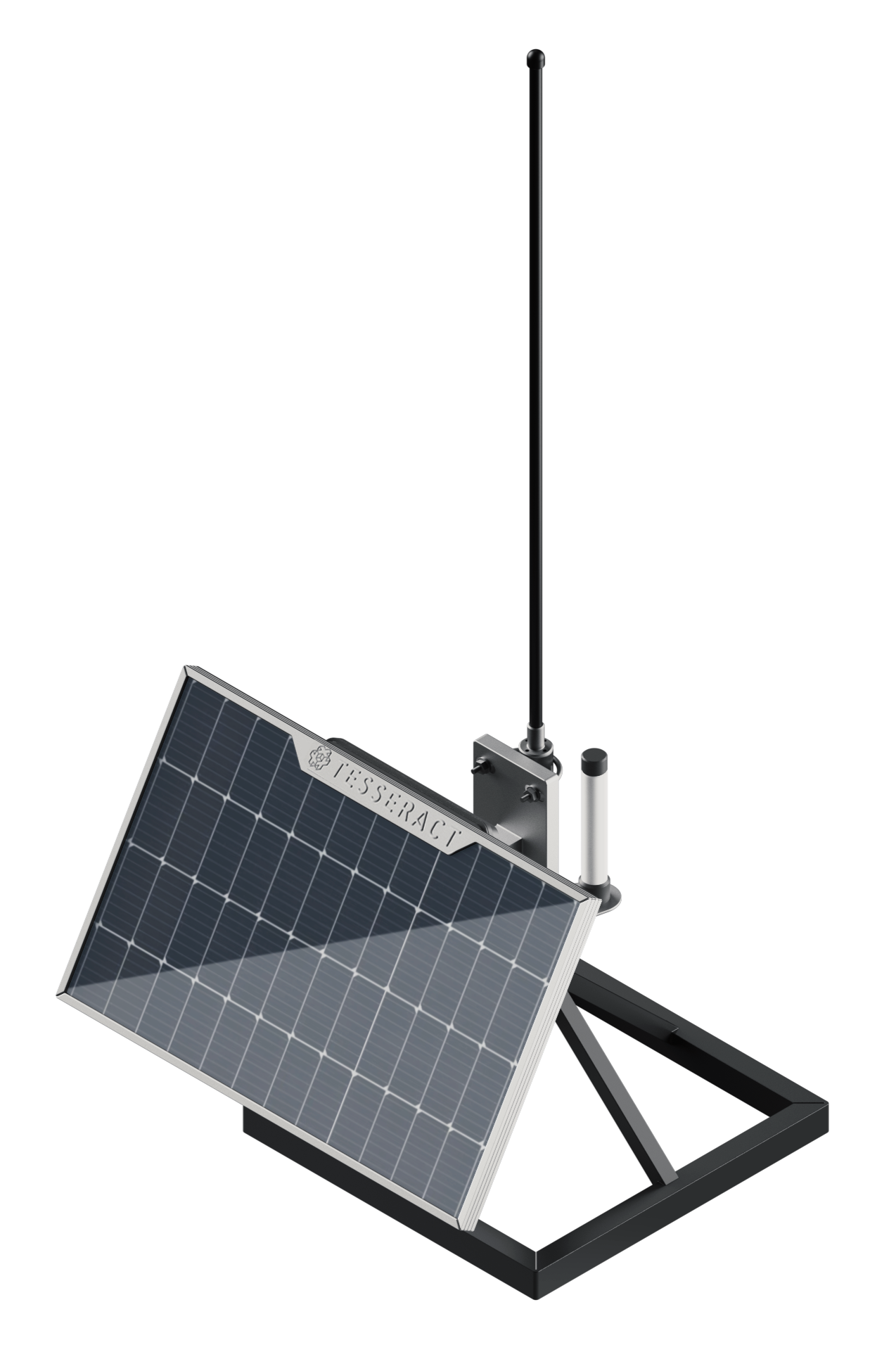
TNet creates a local mesh network for secure communications to transfer sensor data and locations. This allows the PRISM hardware, such as the Tesseract sensors, to send data to MOSAIC, which is part of a software platform, Tesseract Synthesis. Multi-mode identity reading
Base Gateways: Provide extensive coverage across broad and remote locations
Energy Efficiency: PRISM devices consume minimal power, enabling long-term operations without frequent battery replacements
Scalability: The network can support a large number of devices, allowing for future expansion as needed.
Security: Includes robust encryption standards, ensuring secure data transmission across the network
PRISM
TESSERACT NODE
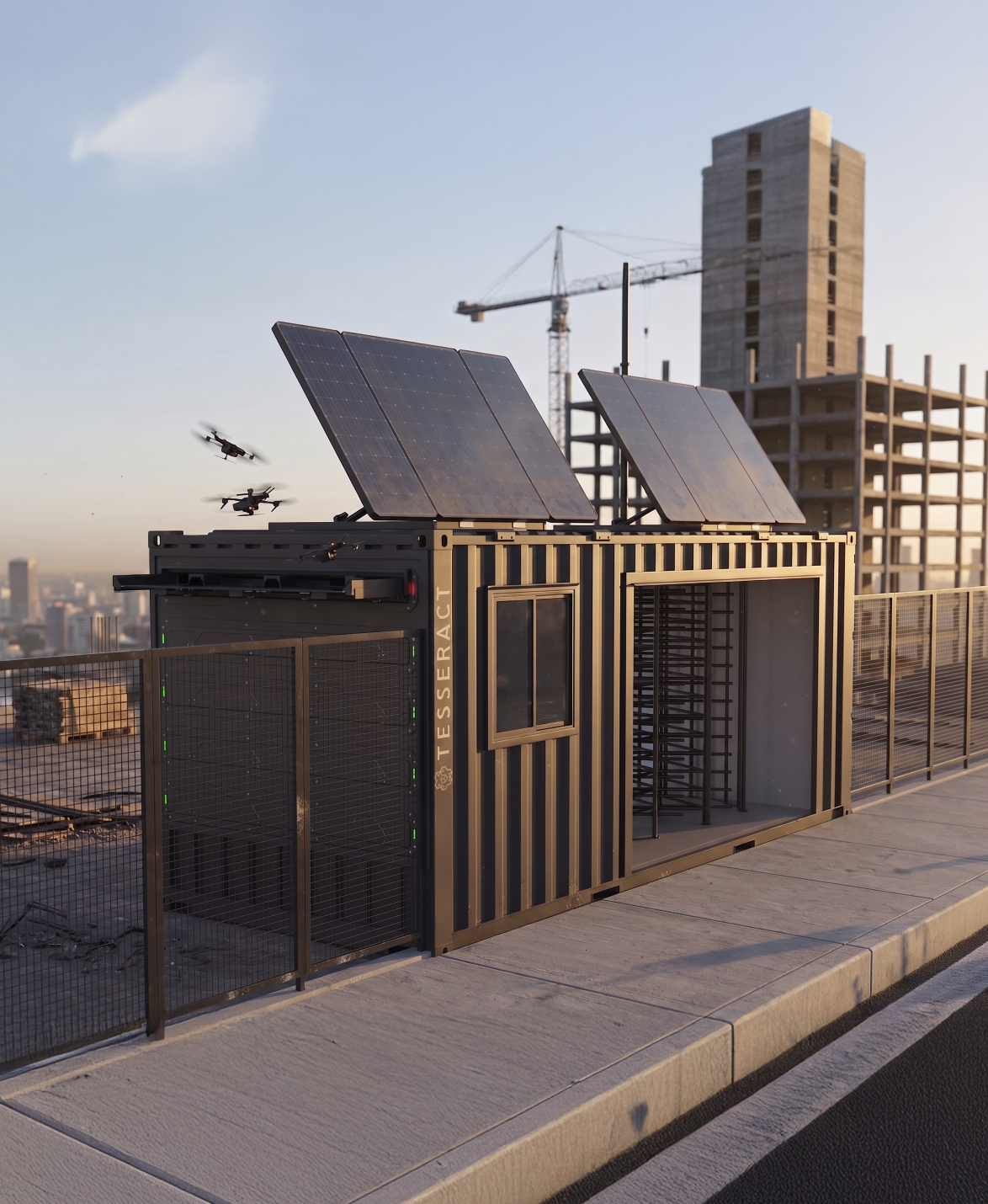
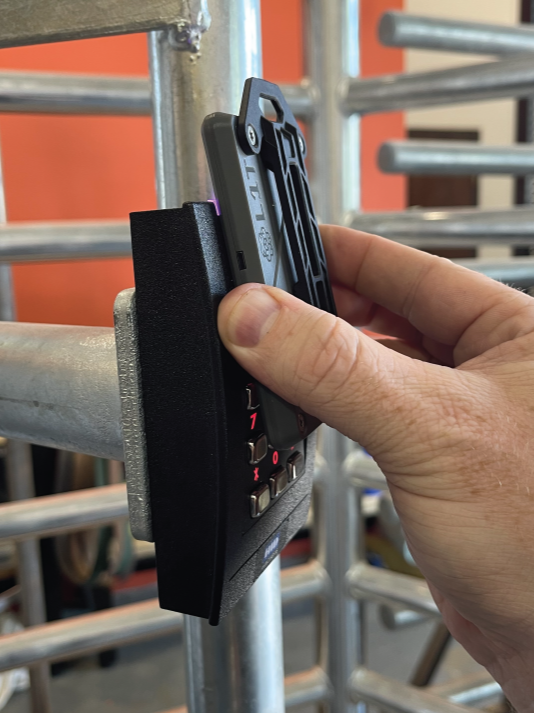
The Tesseract NODE™ is a self-contained access control hub for any site location that needs secure entry and exits — easily deployed, integrated with flexible security levels, and built for extreme environments. Inbound and outbound card readers
Climate-controlled interior
Full IoT hub with LTE communications
Works with generator or line power
Full-height turnstiles or reinforced doors
Solar panel capability
PRISM
TESSERACT NODE.GS
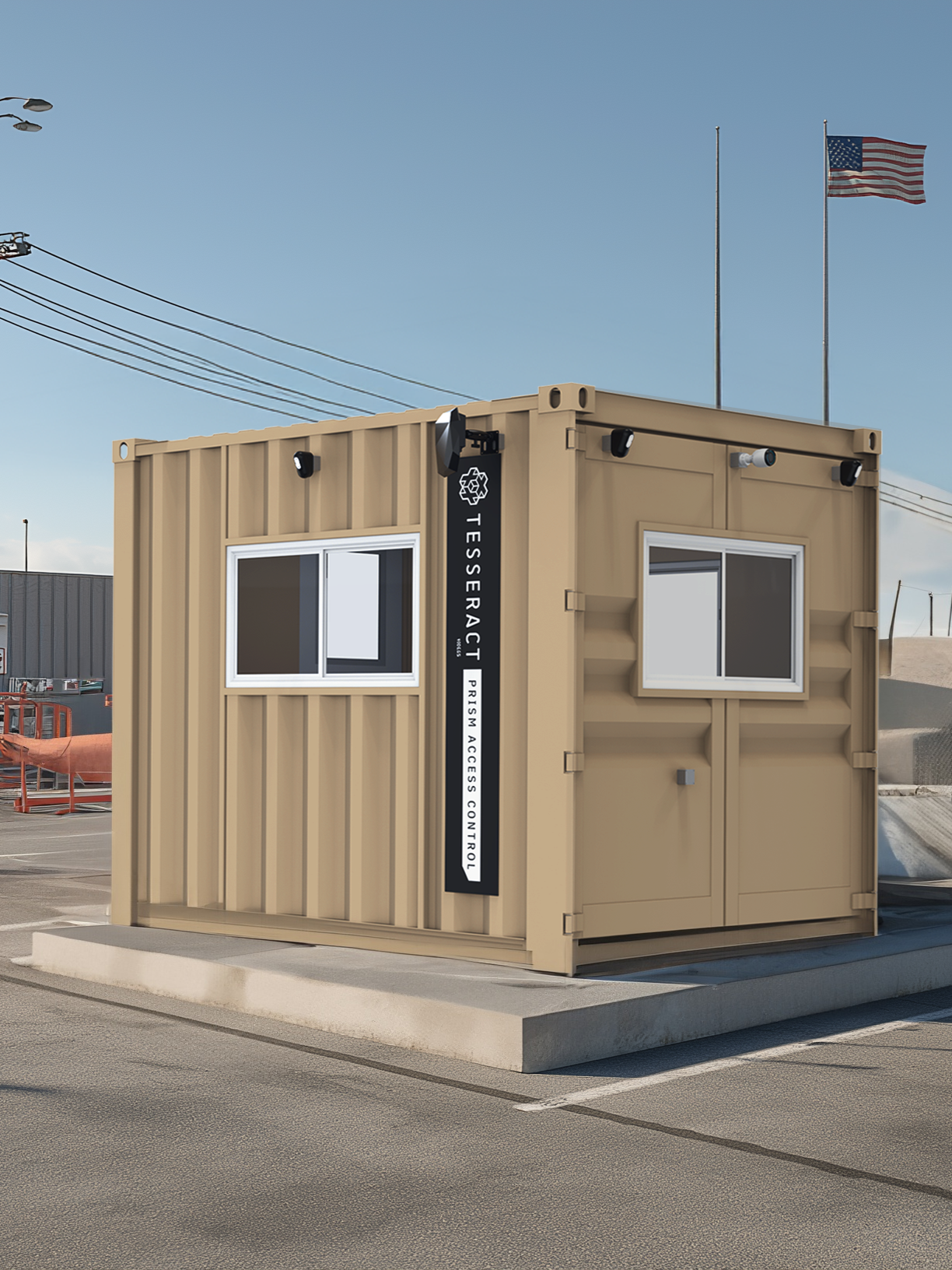
The Tesseract NODE.GS is a tech-enabled, secure guard station with long-range identity capture for active vehicle entry points. Long-range card read antennas
Long-range card read antennas for vehicle access control
Climate-controlled inside
Full IoT hub with LTE communications
Works with generator or line power
External lighting and cameras
PRISM
TESSERACT NOMAD
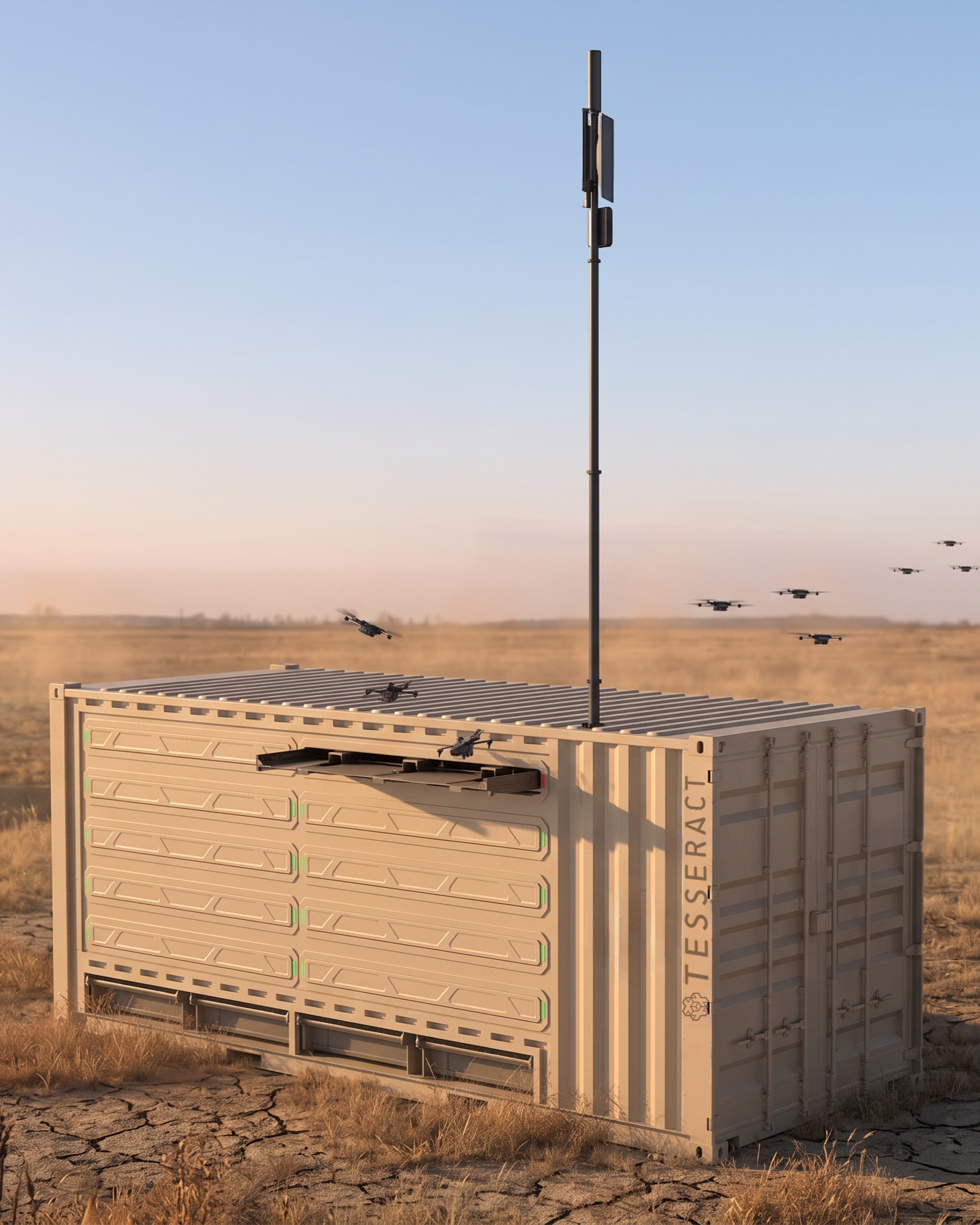
NOMAD™ is a rugged, 20-foot container unit engineered for low-overhead autonomous operations in the field. It is equipped with hybrid power and resilient connectivity, it safely manages and deploys STRIKER UAS using onboard intelligence. Expanded by specialized operational modules, the system delivers a complete, real-time tactical overview of ongoing missions.
Remote Launch Operations: Powered cassette system controlled through Site Manager
Organic Mission Infrastructure: Integrated power and edge compute
Expeditionary Mobility: Container-based architecture for rapid intermodal transport.
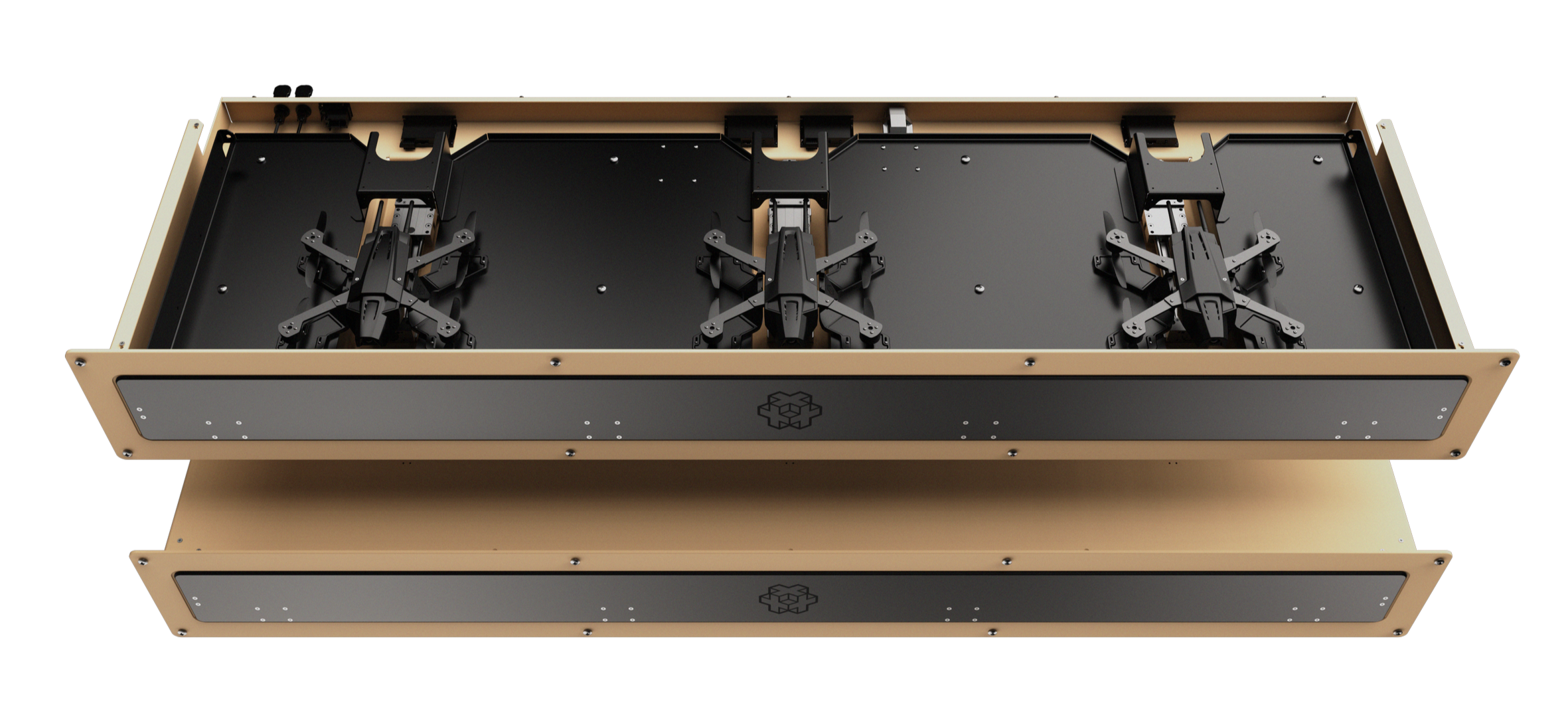
Modular Architecture: Interchangeable cassette trays across compatible Tesseract platforms
Reduced Operator Burden: Centralized management of aircraft and launch infrastructure
Maintenance Bay: Internal workspace for payload swapping
The Magazine: Automated racking system for storage, conditioning, and charging.
PRISM
TESSERACT NOMAD.LT
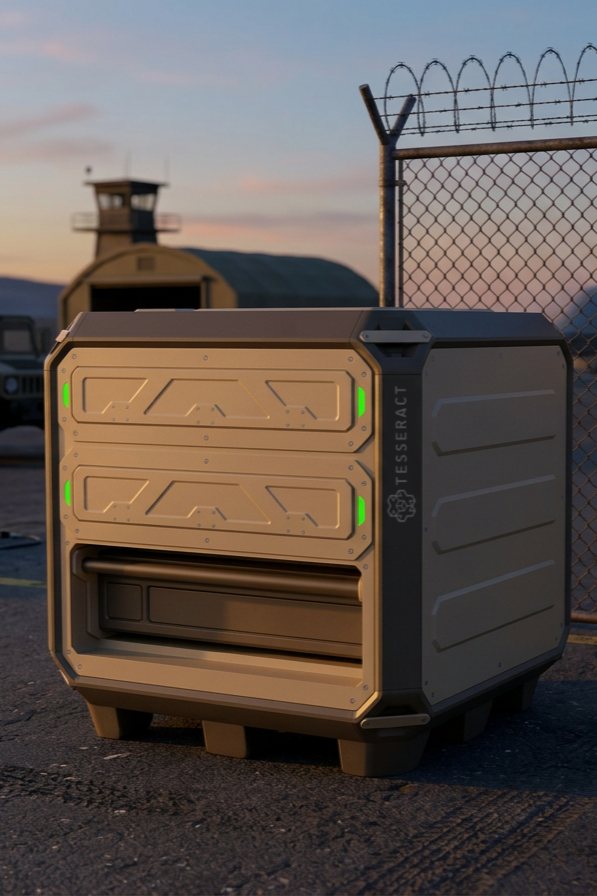
Tesseract NOMAD.LT is a highly portable, lightweight unit that houses, manages, and deploys up to six 7" STRIKER UAS, which is three UAS per tray. Equipped with hybrid power, onboard intelligence, and rugged connectivity, it supports low-overhead, autonomous operations. With mission-specific modules, NOMAD.LT delivers a real-time operational view.
PRISM
TESSERACT HIVE1
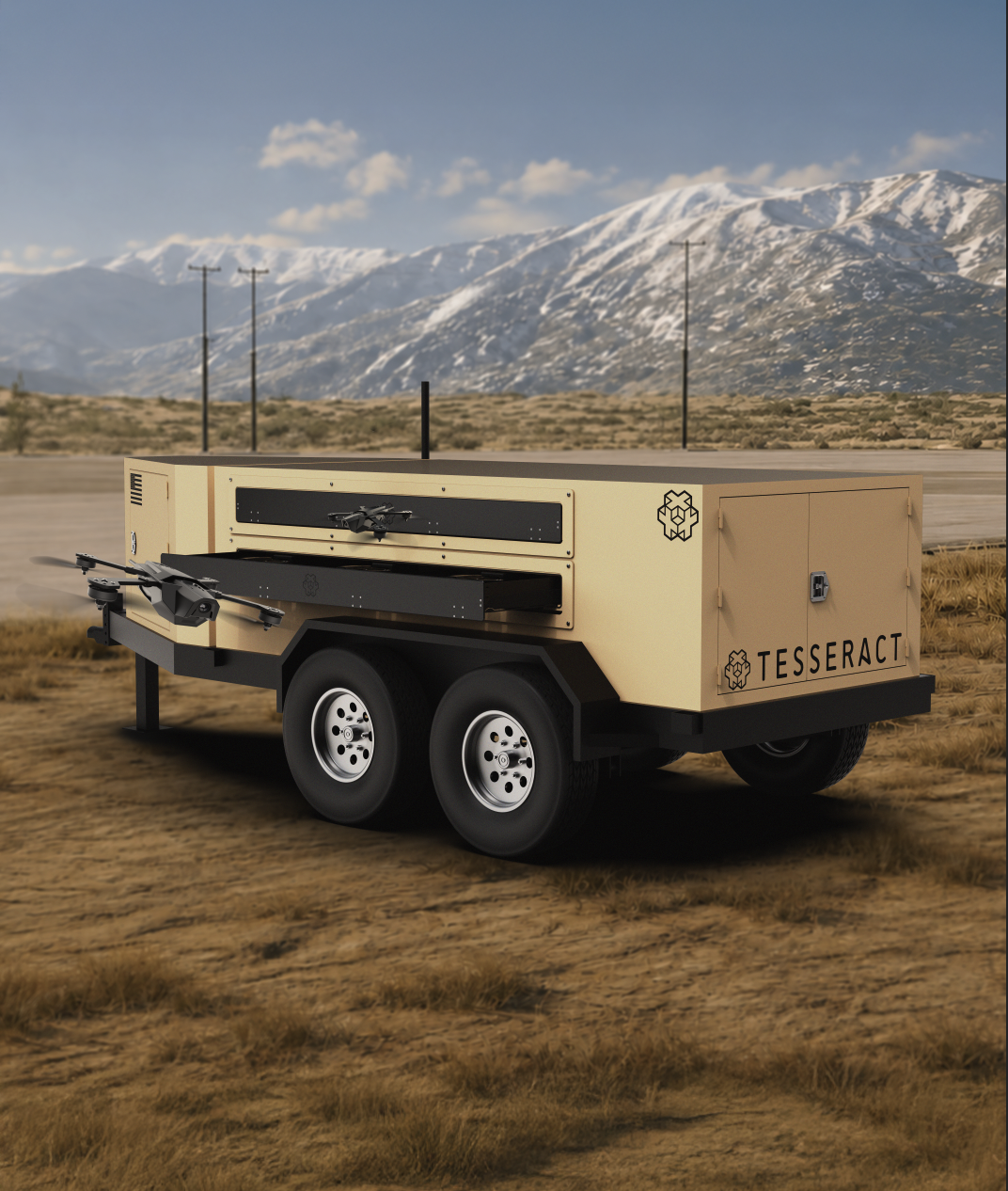
HIVE1 is a trailer-based, expeditionary deployment platform that integrates organic power, edge compute, and a remote-controlled launch system to support up to six STRIKER UAS at the tactical edge. Managed through the Tesseract Site Manager, it allows military units to rapidly position, launch, and sustain distributed drone operations closer to the point of need with minimal personnel and infrastructure.
Multi-Aircraft Capacity: Supports up to six STRIKER UAS
Remote Launch Operations: Powered cassette system controlled through Site Manager
Organic Mission Infrastructure: Integrated power and edge compute
Expeditionary Mobility: Trailer-based architecture for rapid repositioning
Modular Architecture: Interchangeable cassette trays across compatible Tesseract platforms
Reduced Operator Burden: Centralized management of aircraft and launch infrastructure
PRISM
TESSERACT FORGE

The Tesseract FORGE revolutionizes on-demand manufacturing by delivering automated systems for the rapid production and deployment of mission-ready drones and sensors. Designed to meet the diverse and rigorous needs of defense and agriculture, it empowers operational adaptability, enhances precision farming through advanced, autonomous fabrication.
Automated Drone Fabrication: On-site 3D printing, assembly, and programming tailored to mission-specific requirements.
Integrated Data Management: A built-in comms center for drone deployment, monitoring, and data analysis.
Rapid Maintenance and Repair: An on-site repair shop for drones and payloads, ensuring minimal downtime.
Modular Design: A shipping-container-sized system for easy deployment to remote or austere environments.
Versatile Applications: Applicable across military, agriculture, and disaster relief operations, offering unprecedented flexibility.

PRISM
SITE CAPTURE BADGE
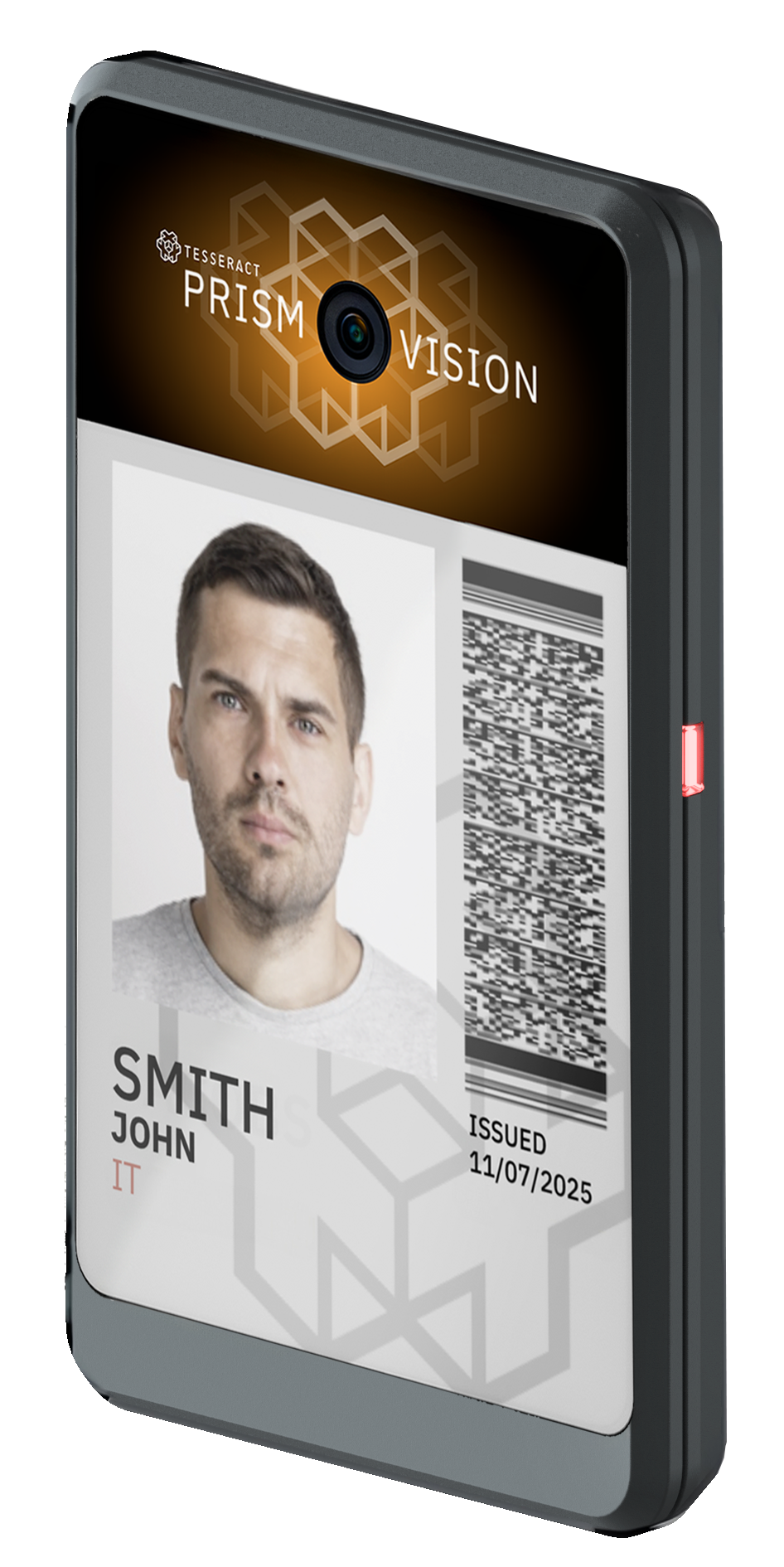
The Site Capture Badge is a one-click device that captures high-quality photos and data from a user’s vest. It uses a location QR code and a configurable timer for accurate, automated data collection. All information is automatically uploaded by Site Capture Edge for storage and analysis.
This system revolutionizes photo uploads by using a location QR code to pinpoint each photo’s exact position on a digital map, organizing them by Zone. A new timeline feature allows users to browse images chronologically for any location. Site Capture helps you collect site data faster and more accurately, all in one platform. You get real-time insights into productivity and project progress.
PRISM
WIRELESS FIELD SENSOR
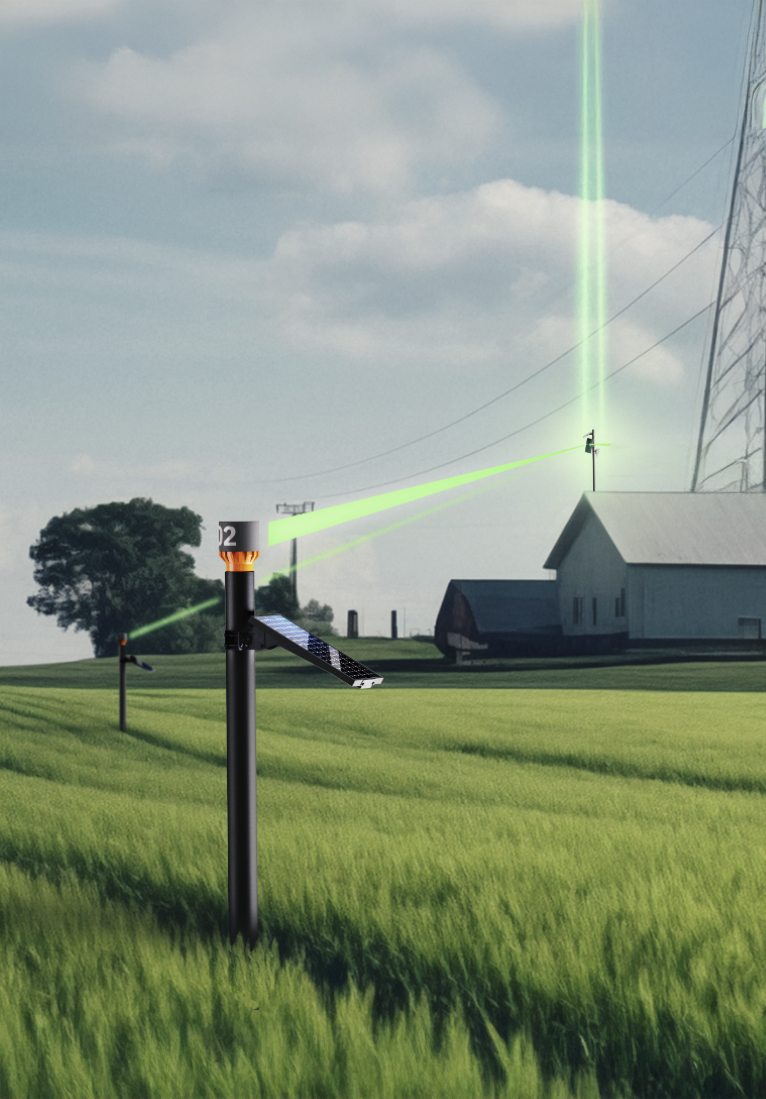
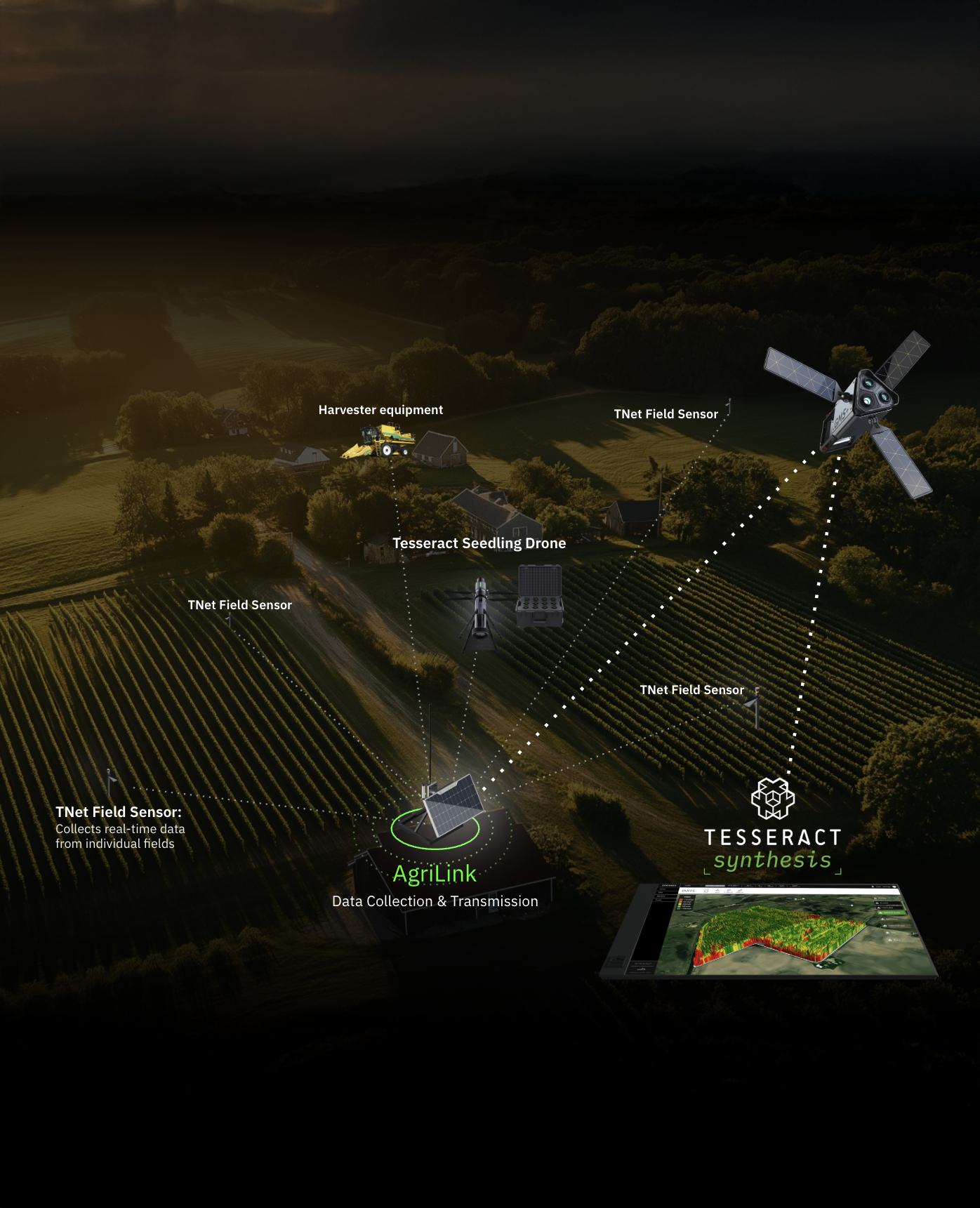
Tesseract field sensors give farmers a complete, real-time picture of their operation by seamlessly pairing wireless-enabled equipment across the entire farm. Powered by high-capacity solar cells and built with a quick-connect, hot-swappable ground stake for flexible temporary or permanent installation, these sensors capture vital data on soil moisture, air temperature, nutrients, light, and pest risks.
Tesseract AgriLink brings your fields to life by connecting a complete network of field sensors into a real-time dashboard. Instantly monitor and automate responses to changing conditions using live data on soil moisture, air quality, nutrient levels, light intensity, and leaf wetness—paired with AI cameras that detect pests and disease early. Transform complex field data into smart, proactive farming.
PRISM
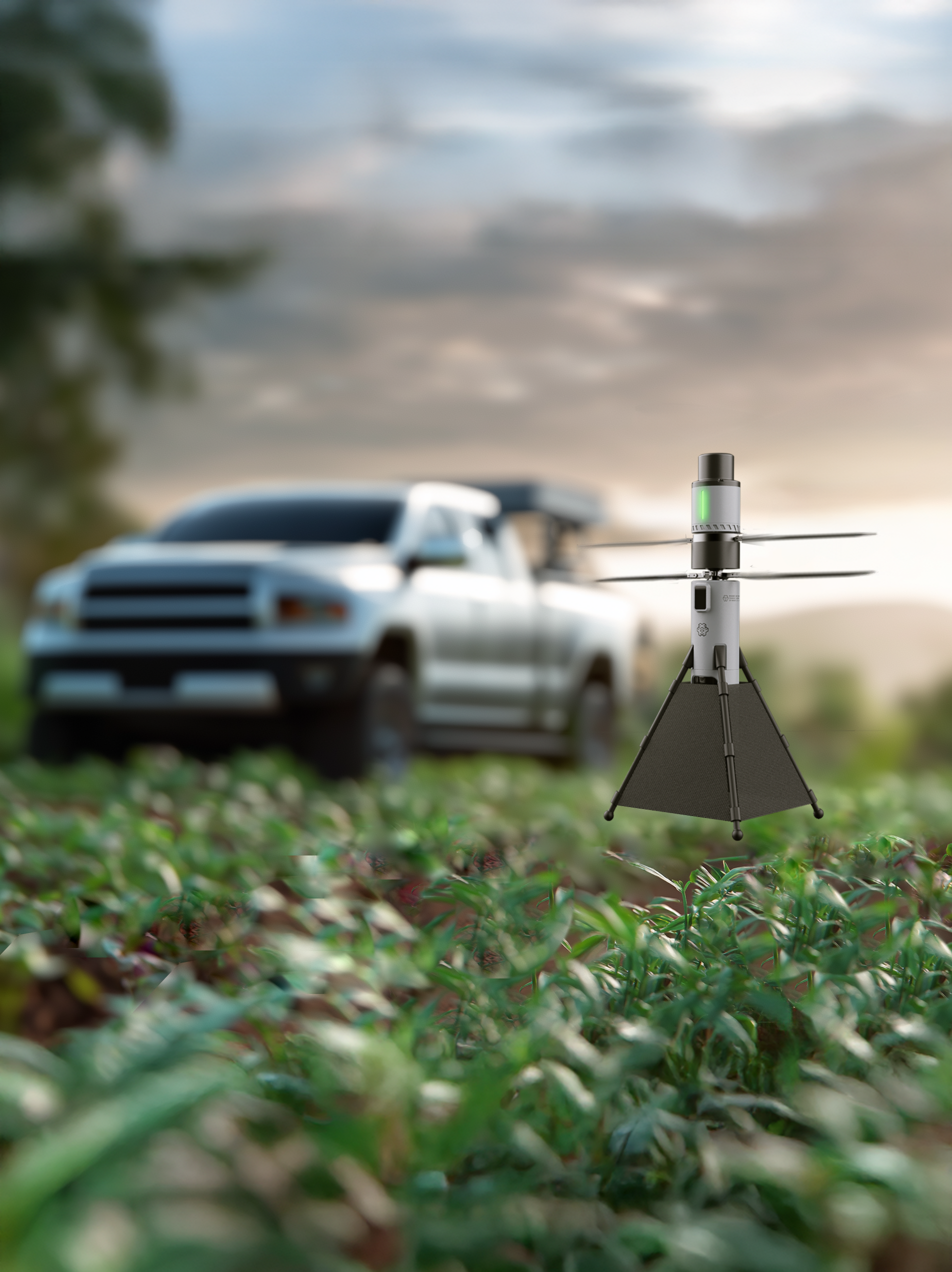
AG SAMPLING DRONE
The AG Sampling drone modernizes field practice validation by delivering a modular, field-ready aerial platform to rapidly collect contamination-free leaf samples. Designed specifically for agronomists and researchers, the system dramatically reduces manual labor while expanding sampling coverage and allowing precise targeting based on elevation, soil type, and crop hybrid. By radically augmenting the entire workflow—from targeted extraction to on-site labeling and storage—it enhances overall data quality and establishes a uniform, high-throughput standard for modern agronomic research.
Faster Data Collection: Automates a traditionally manual process, reducing time spent in the field.
Consistent, Contamination-Free Sampling: Standardized blade mechanism and sealed cartridges ensure reliable results.
Improved Traceability: RFID-tagged samples are automatically linked to precise field locations.
Reduced Labor Burden: Requires fewer hands, enabling agronomists to focus on analysis rather than collection.
Scalable for Trials: Easily repeatable process supports high-volume R&D and large plot studies.
PRISM
POLE SENSOR TRACKING SYSTEM
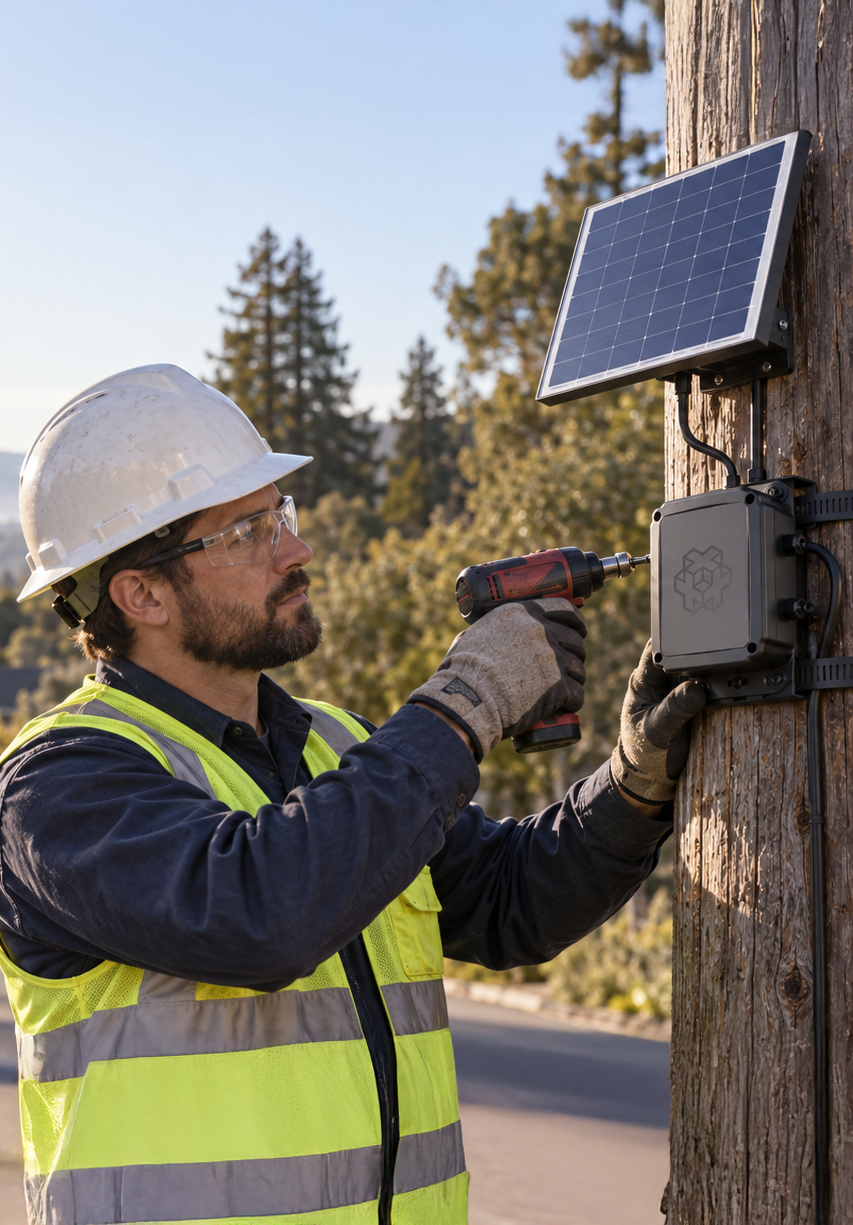
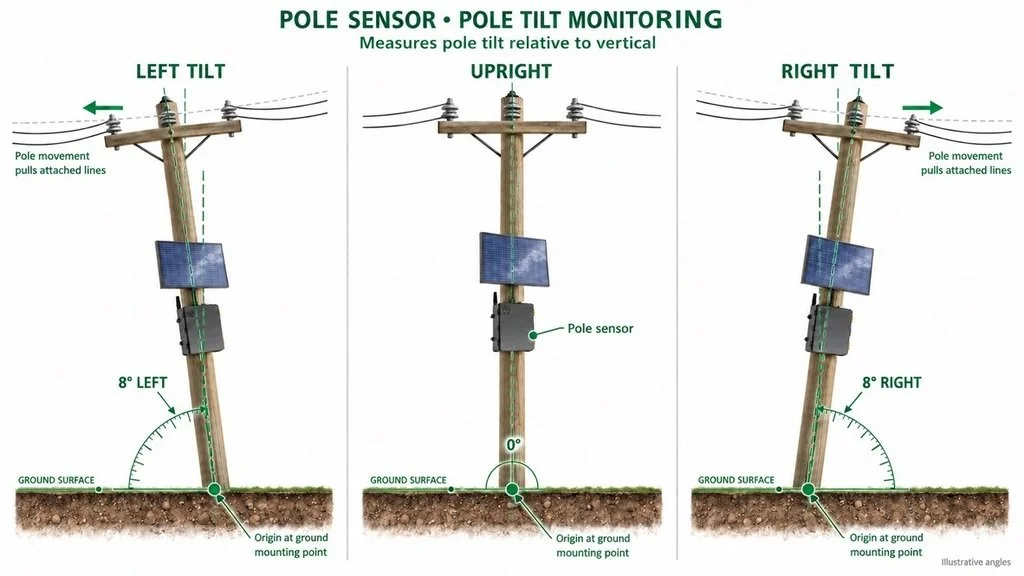
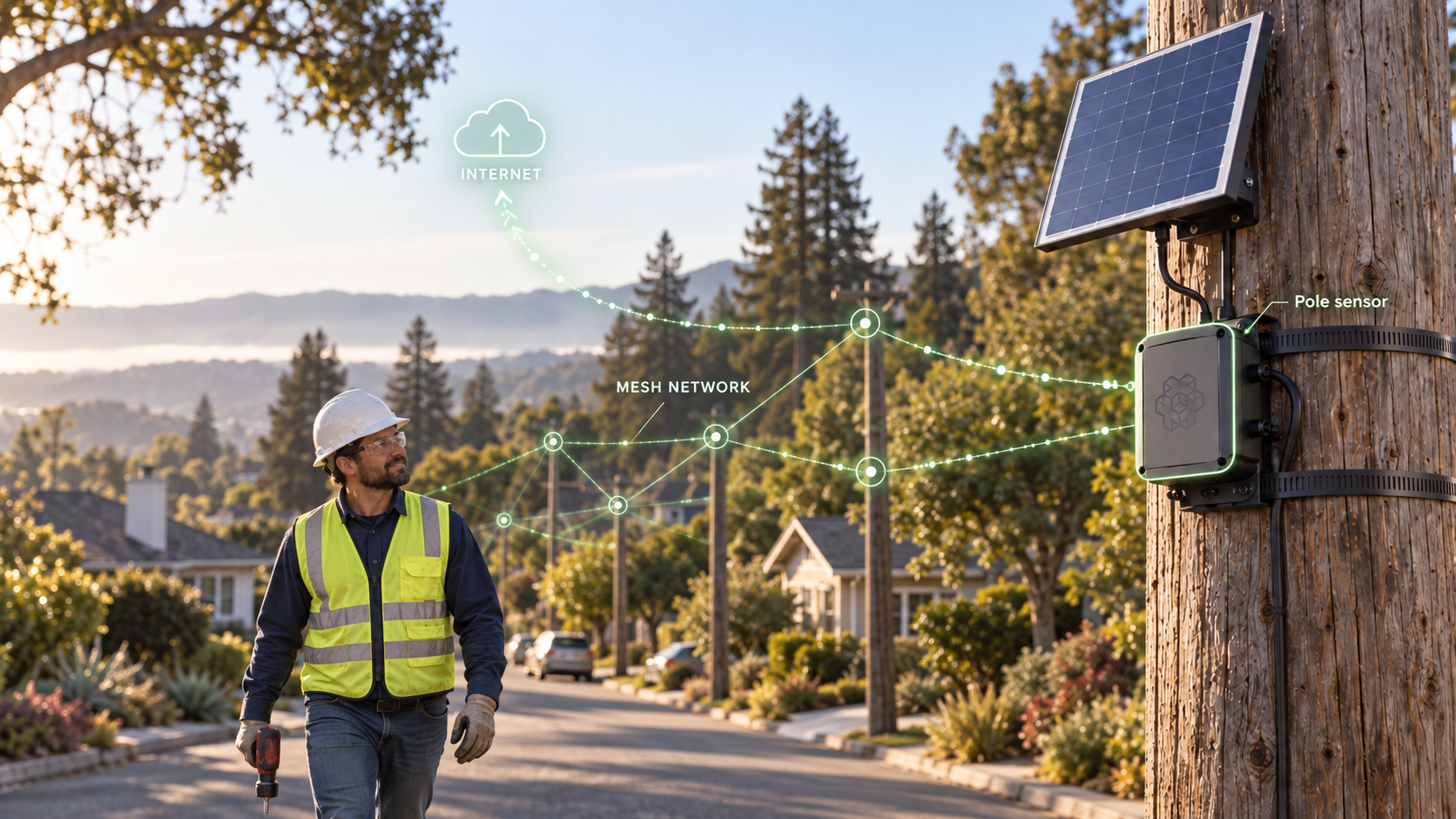
Designed around a distributed Gateway + Node architecture, this unit aggregates data traffic from local pole-mounted sensors via a long-range wireless concentrator and backhauls it directly to the Tesseract Site Manager software using cellular or satellite connectivity. By shifting high-cost shared hardware, optional weather instrumentation, and heavy power requirements to strategic gateway locations, the surrounding pole nodes remain exceptionally compact and energy-efficient. Each rugged, weatherproof gateway is powered by an off-grid system typically featuring a 100–200 W solar array paired with up to 1.2 kWh of LiFePO4 battery storage, customizable to meet specific link budgets, low-temperature demands, and multi-day no-sun autonomy requirements.